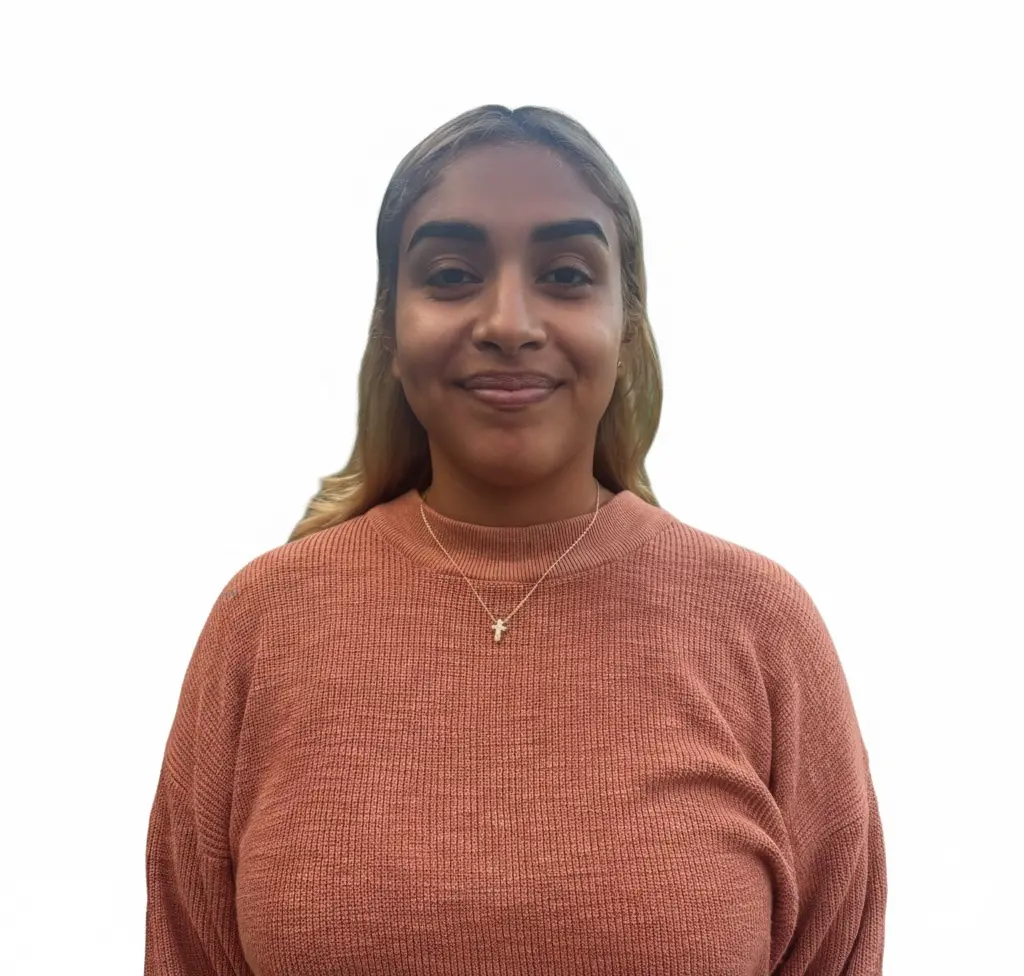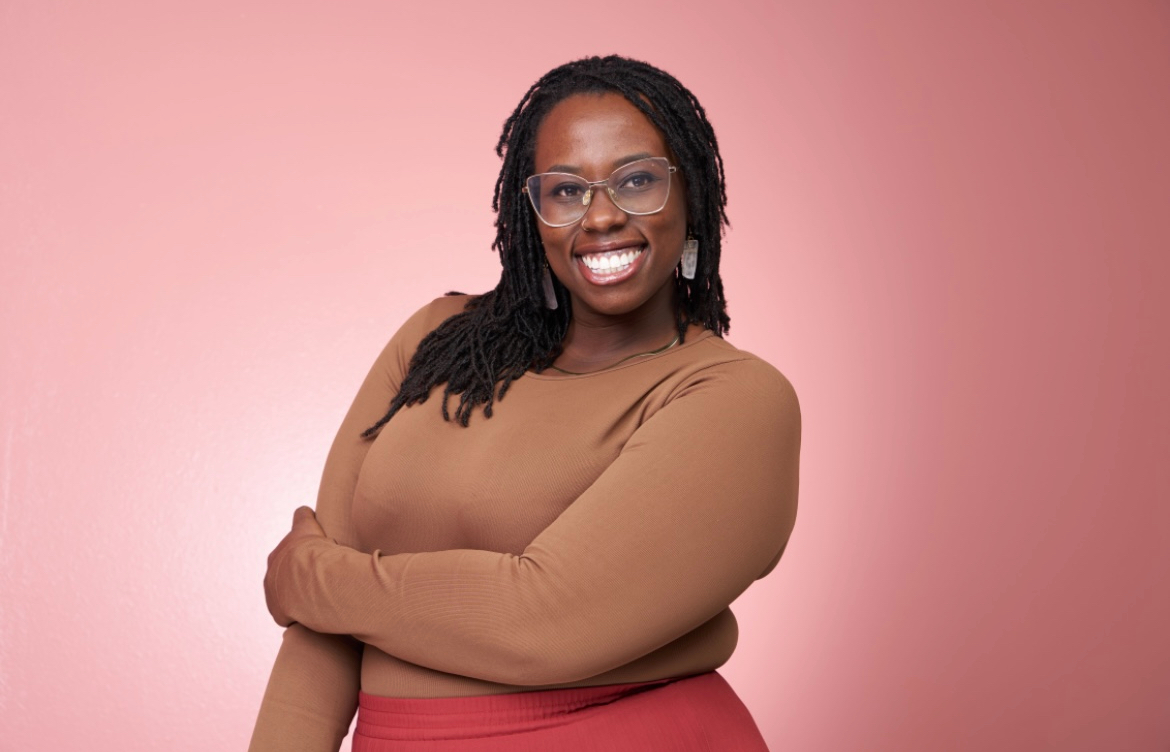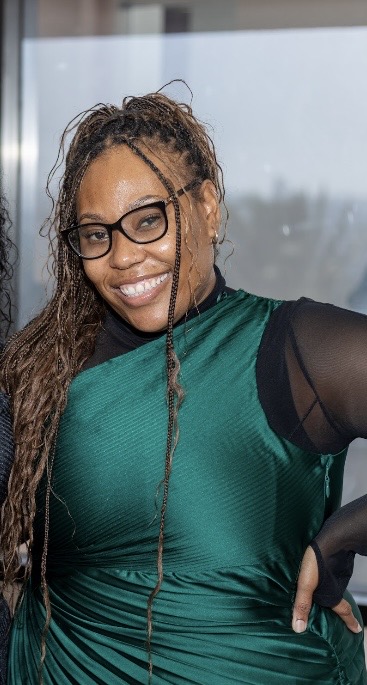
Chyenne Roan-Santini
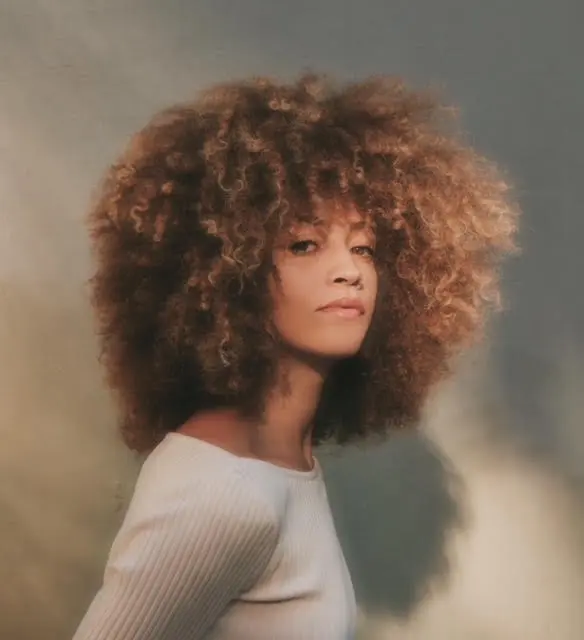
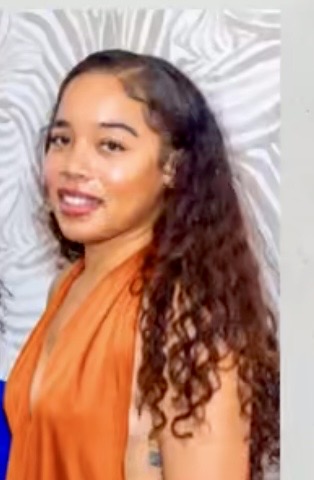
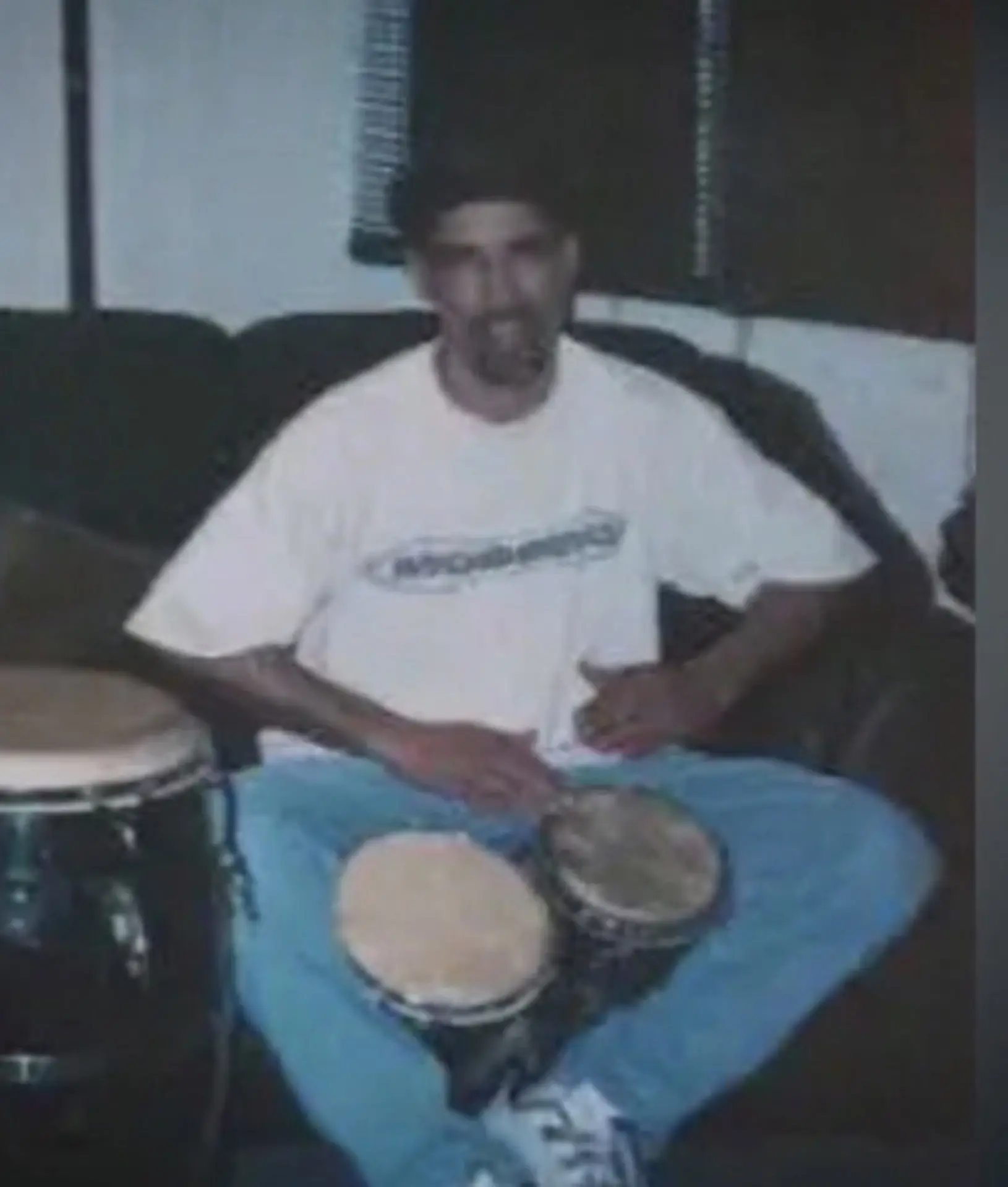
For most of my life, I didn’t know how to identify with my Hispanic heritage. How could I? I didn’t know what it meant to be Puerto Rican. Growing up as a little girl with my mother (a Black/“mulatto” woman) and her side of my family, the only part of myself that I could understand and identify with was my African American roots. Throughout the house I’d smell soul food cooking on the holidays, and I’d hear mom’s records playing… Sade, Gap Band, Patrice Rushen, Minnie Riperton, Anita Baker, Jill Scott, Erykah Badu… I was never immersed in Puerto Rican culture because I did not know or grow up around my father’s side. My father, who came from Ponce, Puerto Rico, was a distant presence in my upbringing. My mother and father were together for a few years, but by the time I came along, they had already split. As a little girl, my mom would show me blurry images of my father as a young man smiling with his bongos propped up between his lap…and on the rare occasions he’d come around, sometimes he’d bring his other instruments to show my sister and me, like his congas, güiros, maracas, and campanas. It wasn’t until I was 28 years old that I had the opportunity to travel to Puerto Rico and to truly gain an understanding of this part of my lineage.
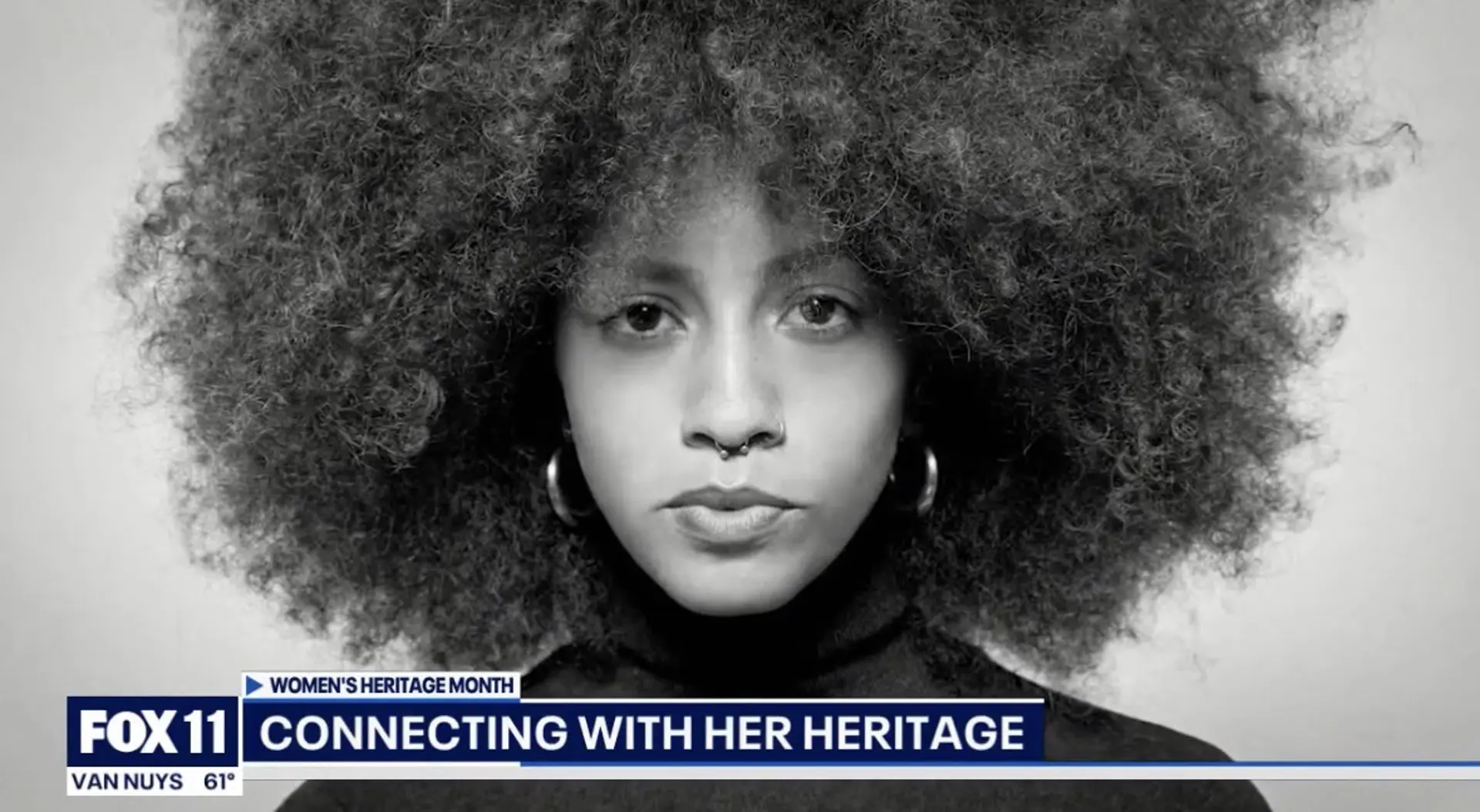
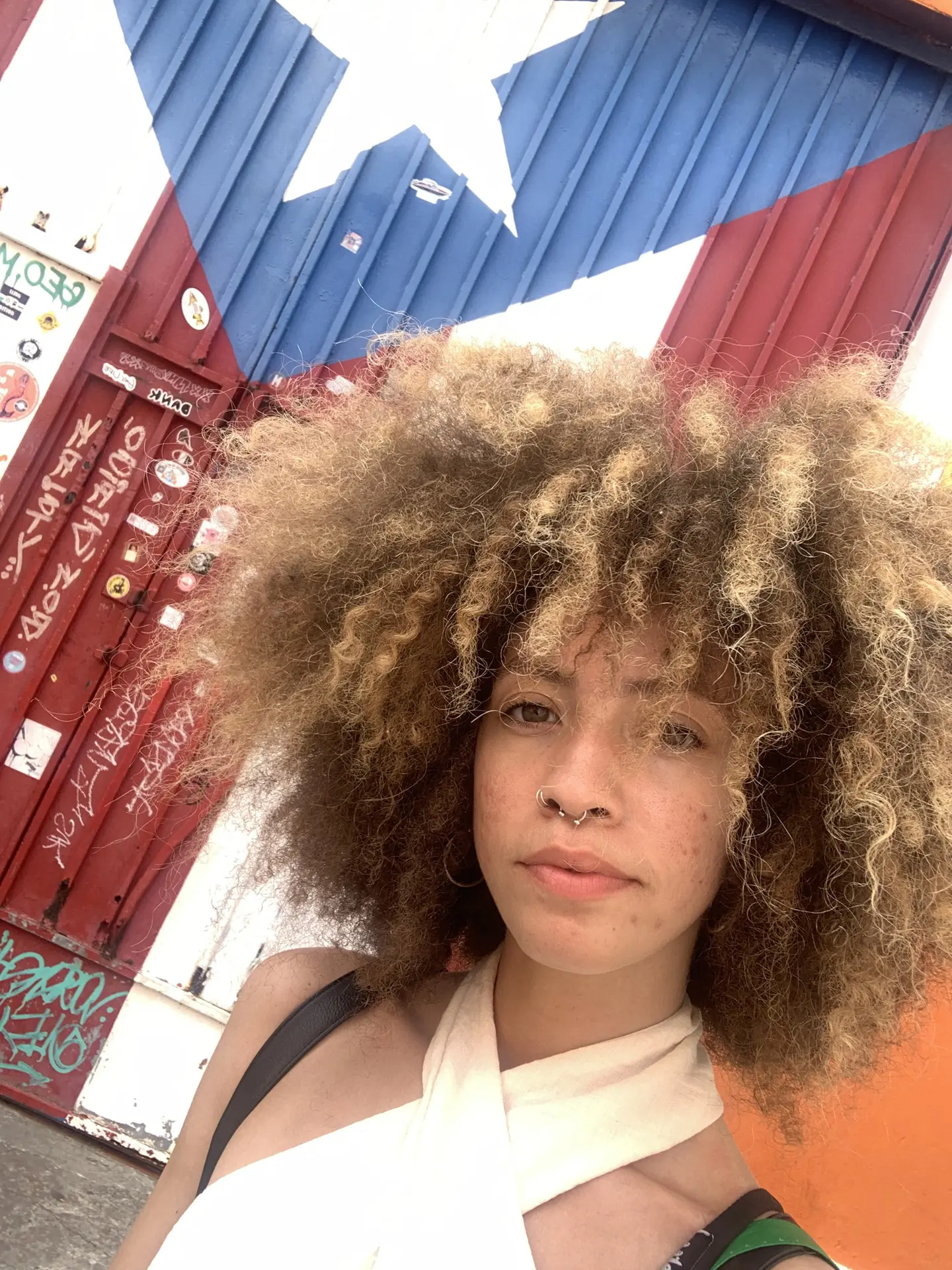
Coming from a multiethnic background, I’ve heard all the questions and comments in the book about my hair, skin complexion, and overall ethnic identity. “Is that all your hair? Are you sure? It’s not a lace front? Is it hard to take care of? How do you wash it? What are you? Are you an albino? Why are you so light? Are you Creole? Black and White?” And when I do tell them of my Black and Puerto Rican heritage, some have said, “Really?!” As if existing in the world as a multiethnic individual isn’t confusing enough to ME. When people who share my ethnicity on either side question my ethnic heritage, it’s almost as if I have to prove it from all angles… as if to pass the ethnic “test” of what is enough. Black people have asked me things like, “which of your parents is black? Are they FULLY Black?” And Hispanic people have asked me, “Oh really, you’re Puerto Rican? Do you know Spanish?” And then, not to mention the experiences I’ve had with white people who have reached to touch my hair… It’s all a mindf*ck.
I share both parents with my older sister, also a Black and Puerto Rican woman with a gorgeous caramel complexion a few shades darker than mine. When people see pictures of her, they are shocked to learn that we are sisters because of our differences in features, complexion, and hair texture…just the tricky part about how genetics works sometimes. I have not heard people question my sister’s blackness, making it even more confusing, hurtful, and frustrating for me in my existence. I have always taken pride in my blackness, and being raised on my mother’s side (and later with my foster mother, who is black), I never felt separated or disconnected from it, until the world questioned it.
My father came back into my life when I was 20 years old, by way of Facebook. By this time, our very last visit was 10 years prior, when he attended the court hearing for my maternal auntie to be granted legal guardianship of me. I remember the first time he took me to meet his family (most of his relatives had migrated from PR to Florida by that time). Although it was exciting and his side of my family was welcoming, I still felt disconnected from this side of my identity. I didn’t know Spanish, I didn’t know how to Salsa Dance, I didn’t listen to a lot of Reggaeton and overall, I didn’t know what it meant to “be” Puerto Rican. During this visit to Florida, I had the opportunity to meet my father’s mother before her passing. She knew very little English, and I didn’t know any Spanish. But somehow this created a sweet and endearing connection between us– I tried my best to help her with her English, and her with my Spanish. I remember her telling me, in broken English, how happy she was that we had reunited with my father, and how she prayed he would find us again. Although language was a barrier between us, I felt the love from her with no words needed.
After that Florida trip and meeting family on my dad’s side, I became more and more interested in learning about Puerto Rico. As I spent this newfound time with my dad, I learned how he was always so prideful of his heritage and STAYED dripped from head to toe in Puerto Rican Flags (this being a known trait of Boricuas to have PR flags everywhere, maybe even down to their underwear). The pride emanating from dad made me want to understand that side of my blood. When my dad visited my house, I’d ask him to make traditional Puerto Rican dishes (my favorite was his bistec encebollado con arroz y habichuela, or Puerto Rican steak & onions with rice and beans). Eventually, I told myself that when I saved enough money, I was going to the island.
And so, as I approached my mid-20s, I planned the trip. I reached out to my dad because I wanted to experience my first time being there with him (obviously). For whatever reason, he wasn’t ready at that time, but I wasn’t letting anything stop me. I planned the trip for my birthday, and I was set to fly out and stay on the Island for a week. I remember the moment my plane approached the island to land; from above, I could see the gorgeous ocean, greenery, and towns, and I immediately felt the shift in energy to pride. As our plane landed safely, everyone on board clapped and cheered, a tradition (I was unaware of) that is prevalent in Puerto Rican culture.
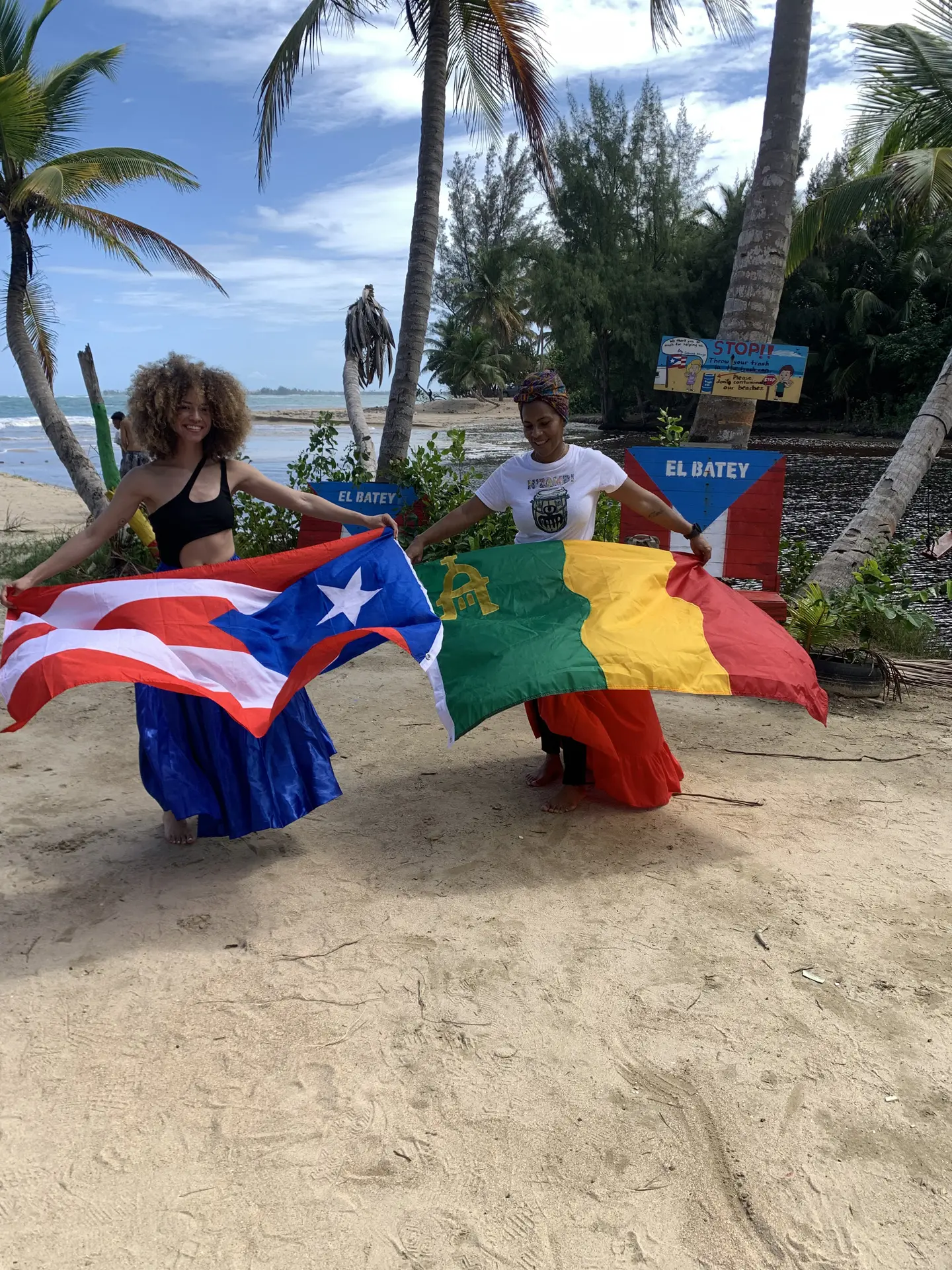
When I approached my Airbnb, I jumped up and down and screamed. The smell of the air was different. The sounds were different. I finally got to hear the chirp of the coqui frogs echoing throughout the island, coquis being the well-known cultural “symbol” of Puerto Rico. I had an ocean view in Isla Verde, San Juan, PR… and I had it all to myself. I wasn’t just on an “island vacation”… I was on a trip that would teach me about my lineage and connect me to parts of my ancestors, my blood. The water was the most blue-green I’d ever seen in any ocean, and I could see it and hear it from my room. I felt like I was in a dream. The first stop was finding some Puerto Rican food. I first visited a restaurant, La Casita Blanca, specifically for their Bistec encebollado (it’s safe to say their cooking wasn’t touching my dad’s). The next day was my birthday, and I planned activities for each day of the trip. The morning of my birthday, I headed to Loiza, the town in PR with the highest population of Black Puerto Ricans. I had a dance class scheduled there with Sheila Osorio, founder of Taller N’Zambi. There, Sheila teaches Bomba, a traditional Afro-Puerto Rican dance style and music genre that was used as a form of communication and resistance by enslaved Africans in PR. I specifically wanted to see and feel this part of PR, as it connected everything that my ethnic background encompassed. Being there and seeing so many beautiful Black Boricuas and hearing the drums (or barriles), I already felt parts of my identity being unlocked. As the trip carried on, I was able to learn of the pride that lives on the island, and when I left, it stayed with me. I remember being emotional as I boarded the plane to leave, but it wouldn’t be long before I returned.
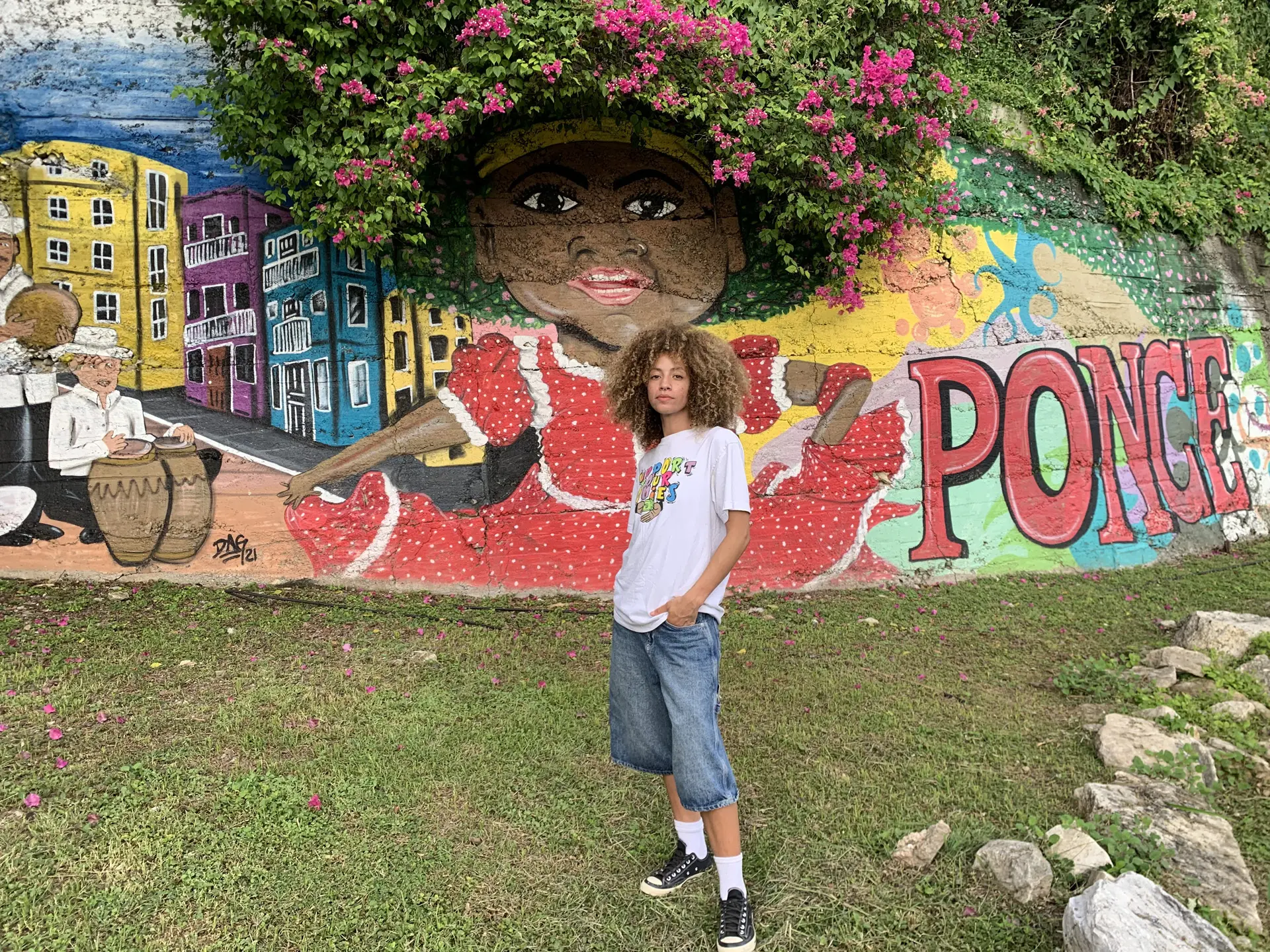
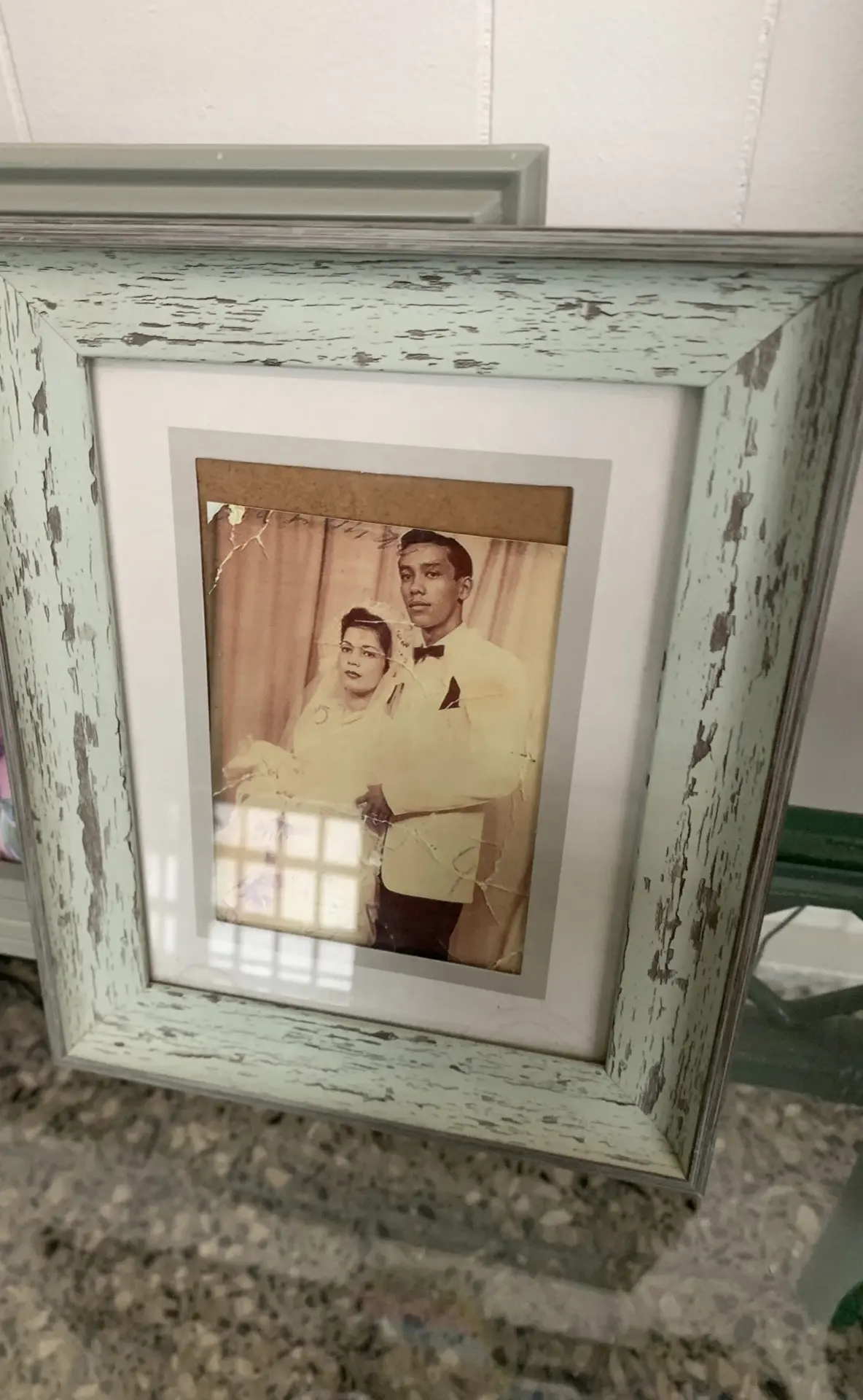
On my second trip to PR, I got to meet my tio (dad’s brother), who takes care of my late grandmother’s home in Ponce, PR. This is also the house where my father grew up. Tio Cheo is a tall, lanky man with neatly cropped dark grey hair and a shy, quiet disposition. He also has a somewhat stern demeanor…but as he led my friend and I through the house my late grandmother left behind, I saw his eyes fill with gentleness, memories, and childlike wonder at times when we spoke. A few times he intervened, telling me how blown away he was by my resemblance to my dad, his brother. “You look just like your dad when he was a kid. It’s like I’m looking at my brother’s reflection.” This broke the ice, and my Tio sweetly offered us Oreos and Coca-Cola and guided us through the house, showing me pictures of my father’s side of the family and the home where they grew up. He guided me through my grandmother’s ethereal Orchid garden, a beautiful and sacred space that she took pride in up until her passing. Tio Cheo explained how he had done the best he could to care for her beloved Orchids, as a number of hurricanes had passed through the island and damaged a few of the plants. I held back tears as he described this, and I affirmed him of how beautifully he’d maintained the garden in honor of their late mother, my abuela, even through the storms. I paused so that I could FaceTime my father, as he was eagerly anticipating my call. He couldn’t wait to see his brother and “mama’s house” (It had been a while since he’d last been able to see his brother on a video call, as Tio is not tech-savvy). When my dad answered, his face lit up with pride, and he began to tear up as he spoke to his brother and I. He told me, “Me and my mama (in heaven) so happy, baby; you’re in the motherland. I’m crying, and as always, I’m so proud of you, my mini-me.” My relationship with my father had been strained prior to this trip, so hearing him tell me he was proud of me (and being able to show him that I made it to the island and his childhood home) healed much of the little girl in me that yearned to know him.
After learning about my trip and its backstory, Fox 11 Reporter Christine Divine approached me to do a story on it, as she could relate (her biological father is from Brazil, and not long before my trip to PR, she traveled to Brazil to meet him for the first time). I shed tears of pride as I saw the story of my connection to my PR roots aired on national TV. I could have never dreamt of not only traveling there but also having it documented afterward.
The greatest gift I was given from the island was duality… duality that no one can take from me, even if they question “what I am…” The pride of Puerto Rico now flows through my blood, right along the pride of my black ancestors who still guide me… The understanding that I am every one of my ancestors. I am Minnie Riperton, Anita Baker, Jill Scott, Erykah Badu… but I’m also Tego Calderon, Rosario Dawson, Tito Puente, and William Cepeda. ¡Soy Boricua y Soy Afroamericana!